Forestry mulching / The Wildwood Journal
How much does forestry mulching cost per acre?
What drives a forestry mulching quote? Understand acreage, brush density, access, and finish expectations before clearing land in Southern Illinois or Western Kentucky.
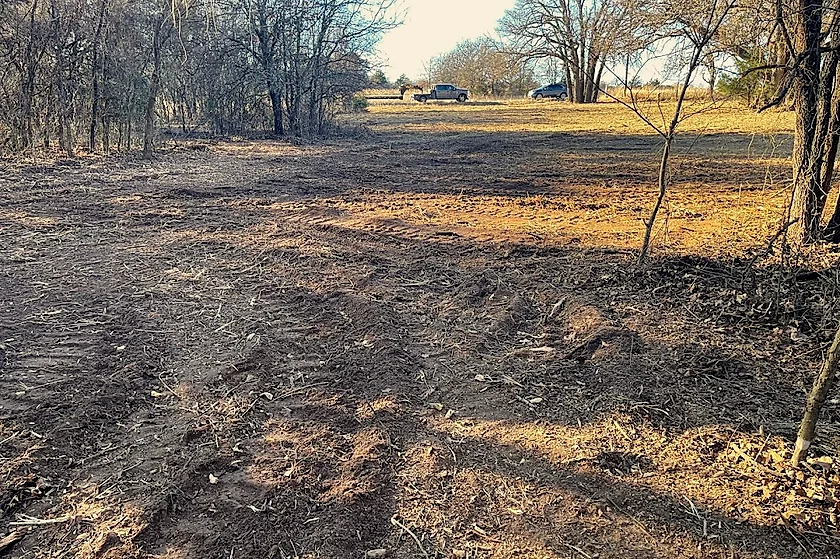
Forestry mulching has no single per-acre price that fits every property. The amount and size of vegetation, access, terrain, and the finish you want determine the work involved. Wildwood Forge provides a free, property-specific estimate so you can compare the complete scope, not an isolated acreage number.
When you own an overgrown parcel, asking about cost per acre is a sensible starting point. It gives you a way to think about the budget. The catch is that an acre is a measure of area, not a measure of how much work stands on it.
An open acre with scattered brush presents a different project from an acre packed with woody growth, old fencing, and trees you want to save. Before relying on a price found online, make sure it describes the same work you actually need.
What changes a forestry mulching quote?
Start with the boundaries of the work. Clearing an entire parcel, opening its perimeter, and creating a route through the middle can involve very different amounts of ground. Marking that area on an aerial image helps turn “a few acres” into a useful starting point.
Next, describe what occupies that ground. Include photographs looking into the vegetation, not only along an already open driveway. A contractor needs to understand the interior as well as the entrance. The number of larger stems and the room available to move around retained trees both belong in that conversation.
- Vegetation: the mix of brush, vines, saplings, larger stems, and material already on the ground.
- Access: gate width, room to unload, travel between work areas, and places where equipment must turn.
- Ground conditions: slopes, wet areas, rocks, and other obstacles that need a closer look.
- Finish: basic access, selective woodland cleanup, or additional processing for a more consistent surface.
- Items to protect: fences, utilities, structures, property markers, and the trees you want to retain.
Separate the acreage from the result
Write down what you want to do after the work: walk the woods, get an ATV through, see a fence, reach a hunting area, or begin reclaiming a field edge. That practical goal gives the estimate a finish line. “Clear two acres” can leave more room for misunderstanding than “open these two acres while keeping the marked trees and leaving mulch on site.”
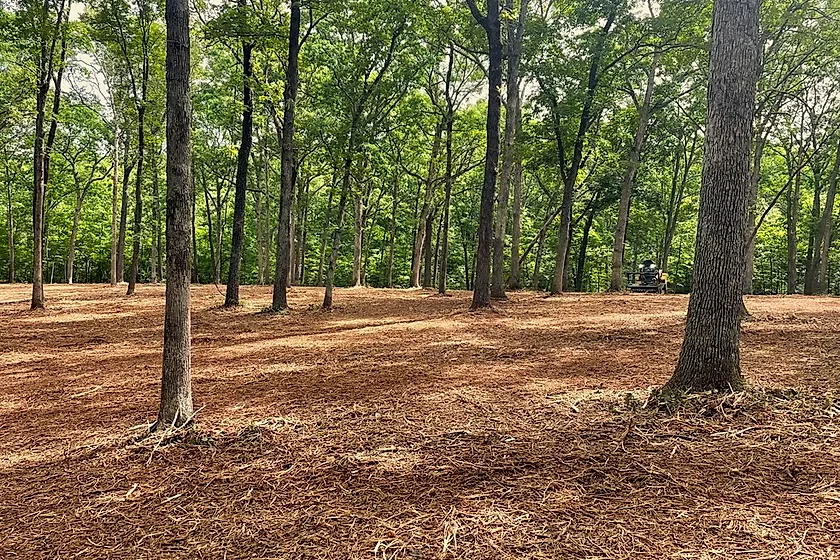
Forestry mulching generally processes vegetation where it stands, leaving wood material on the property. Fecon describes this approach for underbrush, sightlines, and overgrown lots. That does not mean every obstacle, buried root, or unrelated item disappears. Ask separately about anything outside the vegetation-clearing scope.
Further reading: Fecon: landscape and residential mulching
How to compare two estimates fairly
Compare written inclusions before comparing the total. An estimate that includes extra finish work can look more expensive than one covering an initial pass, even though the end results differ. Ask whether the quoted amount covers the whole agreed area or a defined amount of equipment time.
If a quote uses an hourly or daily rate, ask what work is expected during that time and what happens if hidden obstacles change the plan. If it uses a project total, ask which conditions could require a change. Neither format replaces a clear description of the finished property.
| Compare this | Ask this question |
|---|---|
| Work area | Are we pricing the same boundaries and approximate acreage? |
| Retained features | Are the same trees, fences, and other features being protected? |
| Surface finish | What size material and remaining stems should I expect? |
| Extra work | What is included, and what needs a separate estimate? |
| Completion | How will we confirm the agreed work is finished? |
Make a smaller budget work harder
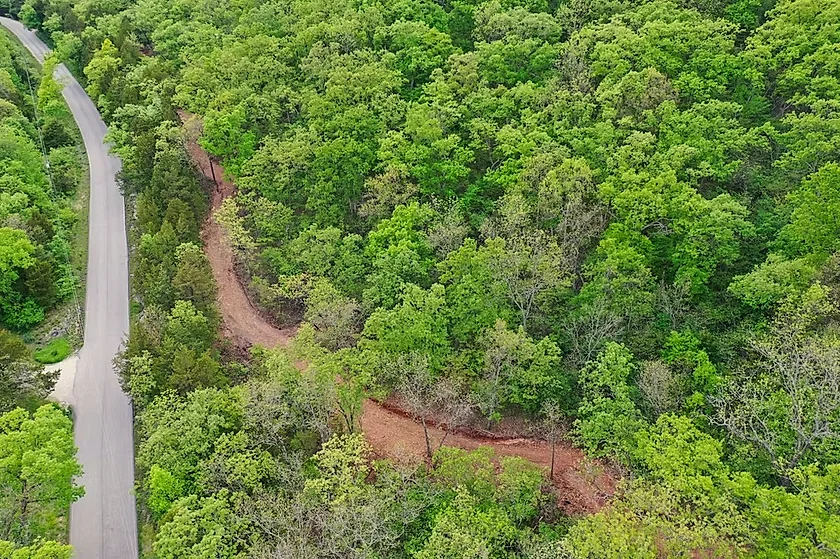
If the full property is beyond your current budget, identify the first area that would make the biggest difference. That could be an access route, an overgrown boundary, or the section nearest an existing open area. Ask for a defined first phase instead of leaving the crew to guess which acres matter most.
Share your longer-term plan at the same time. The first phase should support the next one. For example, an access corridor should connect the places you actually need to reach and leave room for later work. Avoid selecting a route solely because it is the shortest line on a map.
What to send for a useful local estimate
For a property in Southern Illinois or Western Kentucky, send your city or county, approximate work area, a few wide photographs, and a short description of the outcome. Include an access photo and identify anything you know is hidden in the brush. Photos help start the discussion; they may not answer every site question.
Wildwood Forge is based in Brookport and works across the counties listed below. Request your free estimate with the specific area you want cleared. We can then discuss the scope that fits your property instead of asking you to budget around somebody else’s job.